
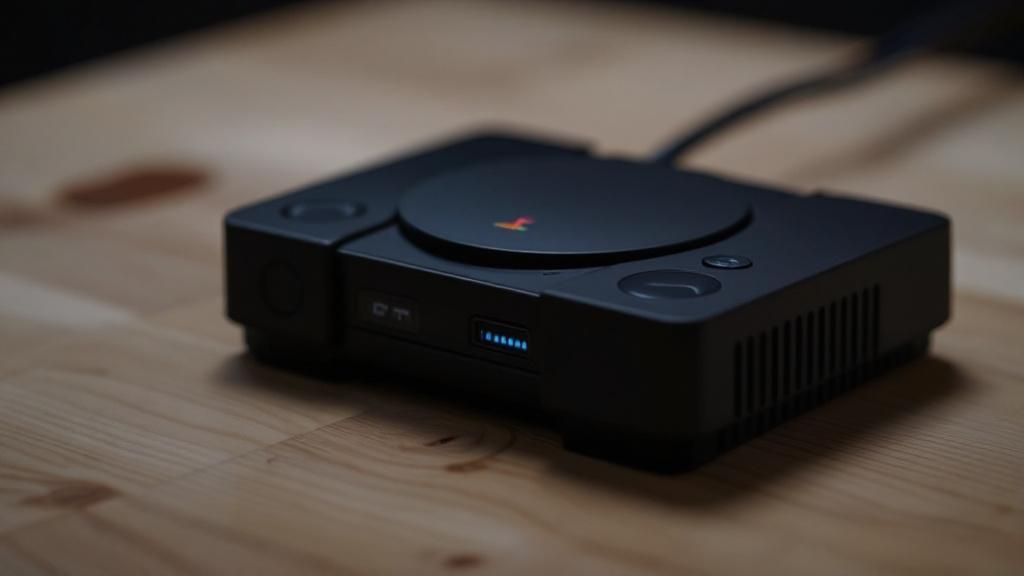
Sony has declared a substantial broadening to its retro gaming initiative, bringing a fresh wave of iconic vintage PlayStation titles to current-generation hardware. This calculated decision enables gamers to experience again beloved games from previous eras without requiring older systems. The expanded programme promises better frame rates and improved graphics on contemporary consoles, closing the divide between vintage gaming and modern innovation. Discover which classic franchises are being added and how this evolution is transforming the future of PlayStation gaming.
Expanding the Traditional Game Collection
Sony’s backwards compatibility programme represents a transformative approach to maintaining gaming heritage whilst incorporating modern technology. By extending the collection of iconic PlayStation games playable on contemporary consoles, the company illustrates its dedication to recognising its storied gaming history. This initiative ensures that decades of remarkable gaming adventures stay available to both longtime enthusiasts and new players encountering these timeless classics for the first time. The broadened catalogue features a diverse range of categories and periods, showcasing the scope of PlayStation’s pivotal role in interactive entertainment.
The programme’s expansion addresses a critical gap in contemporary gaming by rendering previously inaccessible titles easily accessible on current-generation hardware. Players don’t need to maintain previous-generation systems or track down pricey pre-owned copies to play these beloved games. This democratisation of retro gaming content bolsters the PlayStation network and fosters community engagement across generational divides. The programme also demonstrates Sony’s attentiveness to player demand for extensive backwards compatibility options that acknowledge the spending gamers have made in their game collections across time.
Next-generation Simulation Systems
The technical foundation of this backwards compatibility programme relies on sophisticated emulation technology that accurately replicates the original gaming experience whilst enhancing performance for contemporary systems. Advanced emulation engines analyse classic game code and translate it seamlessly for contemporary processors, ensuring interoperability without sacrificing authenticity. These technological improvements extend beyond mere functionality; they enable improved frame rates, better resolution scaling, and faster loading times that substantially improve the gaming experience. The engineering teams have devoted substantial resources in achieving this balance between conservation and improvement.
Modern emulation technology incorporates machine learning algorithms and predictive processing techniques that forecast gameplay requirements and allocate resources efficiently. This advanced system reduces lag, reduces stuttering, and offers smoother performance than original hardware could achieve. Additionally, the emulation framework features adaptive quality settings that permit players to adjust their experience based on personal preferences and available system resources. These technological innovations represent extensive dedicated development, ensuring that classic games perform perfectly on PlayStation 5 and other modern platforms.
Player Accessibility and Convenience
Backwards compatibility fundamentally enhances user experience by unifying game collections throughout different eras within a integrated environment. Gamers can switch smoothly between current titles and classic titles without handling separate hardware or re-purchasing titles of games they previously purchased. The integrated menu simplifies navigation and finding new content, allowing players to access all their games effortlessly. This streamlined approach values gamer time and monetary spending, removing annoying obstacles that previously hindered enjoying cherished titles and promoting discovery of gaming history.
The expanded programme also addresses practical accessibility concerns by providing contemporary convenience features alongside classic gameplay. Players benefit from enhanced controller compatibility, adjustable difficulty options, and improved visual options that cater to modern gaming requirements. Cloud save capability facilitates seamless progression across multiple devices, whilst trophy and achievement systems promote engagement with classic titles. These features change backwards compatibility from a nostalgic novelty into a truly useful feature that improves the overall PlayStation experience for millions of players worldwide.
Benefits to Gamers plus the Industry
Enhanced Gaming Environment for Players
The extended backwards compatibility programme provides significant benefits to the gaming community. Players can now access classic games with improved frame rates, enhanced resolution, and quicker load speeds on latest PlayStation hardware. This accessibility negates the requirement for keeping older systems, whilst maintaining gaming history for future generations. Gamers benefit from smooth compatibility with current features, such as trophy support and cross-platform functionality, enhancing their overall entertainment experience substantially.
Economic and Strategic Advantages
From an sector viewpoint, this initiative bolsters Sony’s competitive positioning within the video game sector. By expanding the legacy game library, PlayStation appeals to both experienced players looking for nostalgic experiences and emerging gamers uncovering classic titles. This approach optimises the potential of established IP, generating fresh engagement in existing brands without major production expenses. Additionally, the scheme encourages brand commitment and prolongs the market lifespan of legacy titles, establishing sustainable revenue streams through digital distribution channels.
Maintaining Gaming History
The backwards compatibility expansion plays a vital cultural function by protecting significant gaming heritage. Classic PlayStation titles embody key milestones in interactive entertainment history, and guaranteeing their availability stops valuable works from disappearing. This focus on maintaining reflects the gaming industry’s development, recognising that older games warrant appreciation and ongoing access. By preserving these digital artefacts, Sony contributes meaningfully to gaming’s cultural legacy whilst showing corporate responsibility towards maintaining entertainment history.
